




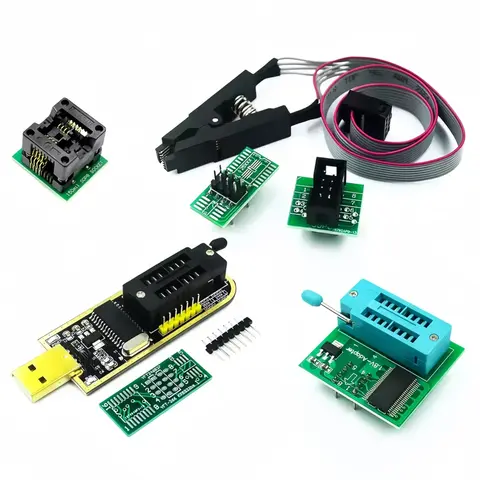





Results for usb blaster
USB Blaster refers to a compact, 10-pin JTAG programming cable used for configuring and debugging CPLD/FPGA devices, particularly in embedded systems and hardware development. It is not related to sandblasting tools or USB flash drives, despite similar-sounding names.
The search term usb blaster primarily reflects technical users’ intent to find a reliable, low-cost JTAG interface cable for programming Altera (now Intel) FPGA and CPLD chips. This includes developers working on embedded systems, hobbyists building custom hardware, and engineers testing NIOS-based processors. The correct interpretation of usb blaster centers on its function as a 10-pin JTAG connection cable that supports a wide range of programmable logic devices, ensuring compatibility with industry-standard development environments like Quartus Prime.
When selecting a USB Blaster, prioritize the following:
Avoid counterfeit or unbranded cables, as they may cause programming failures or damage to sensitive ICs. Opt for trusted brands like GOHJMY, which offer reliable performance and international standard compliance. Always use the correct firmware and drivers when connecting to your PC—many USB Blasters require installation of a specific driver (e.g., USB-Blaster driver from Intel) for proper operation.
For best results, use the USB Blaster in a stable power environment and avoid long cable runs that may introduce signal noise. If you're new to FPGA development, consider starting with a pre-tested kit that includes both the cable and sample projects to reduce setup complexity.
In summary, the usb blaster is a critical tool for developers working with programmable logic devices. Choose a verified, well-reviewed model with clear technical specifications to ensure seamless integration into your workflow.
The search term usb blaster primarily reflects technical users’ intent to find a reliable, low-cost JTAG interface cable for programming Altera (now Intel) FPGA and CPLD chips. This includes developers working on embedded systems, hobbyists building custom hardware, and engineers testing NIOS-based processors. The correct interpretation of usb blaster centers on its function as a 10-pin JTAG connection cable that supports a wide range of programmable logic devices, ensuring compatibility with industry-standard development environments like Quartus Prime.
- JTAG (Joint Test Action Group)
- A standardized protocol used for testing and programming integrated circuits, especially FPGAs and CPLDs. It allows in-circuit debugging, firmware flashing, and boundary-scan testing without requiring physical access to internal circuitry.
- CPLD (Complex Programmable Logic Device)
- A type of programmable logic device that offers a higher level of integration than simple PLDs, commonly used in control logic and interface circuitry.
- FPGA (Field-Programmable Gate Array)
- A reconfigurable semiconductor device that can be programmed after manufacturing to perform specific digital functions, widely used in prototyping and production of digital systems.
When selecting a USB Blaster, prioritize the following:
- Verify compatibility with your target device (e.g., Altera MAX II, Cyclone series) and development software (Quartus, ModelSim).
- Ensure the cable supports USB 2.0 for stable data transfer and reliable programming sessions.
- Check for 10-pin connector specifications—some devices require specific pinouts (e.g., 5V vs. 3.3V logic levels).
- Look for positive user reviews on durability and plug-and-play functionality, especially for repeated use in lab environments.
Avoid counterfeit or unbranded cables, as they may cause programming failures or damage to sensitive ICs. Opt for trusted brands like GOHJMY, which offer reliable performance and international standard compliance. Always use the correct firmware and drivers when connecting to your PC—many USB Blasters require installation of a specific driver (e.g., USB-Blaster driver from Intel) for proper operation.
For best results, use the USB Blaster in a stable power environment and avoid long cable runs that may introduce signal noise. If you're new to FPGA development, consider starting with a pre-tested kit that includes both the cable and sample projects to reduce setup complexity.
In summary, the usb blaster is a critical tool for developers working with programmable logic devices. Choose a verified, well-reviewed model with clear technical specifications to ensure seamless integration into your workflow.