



5

Results for aluminium sheet

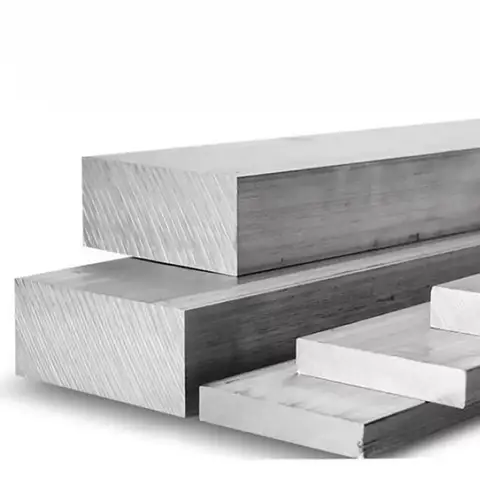
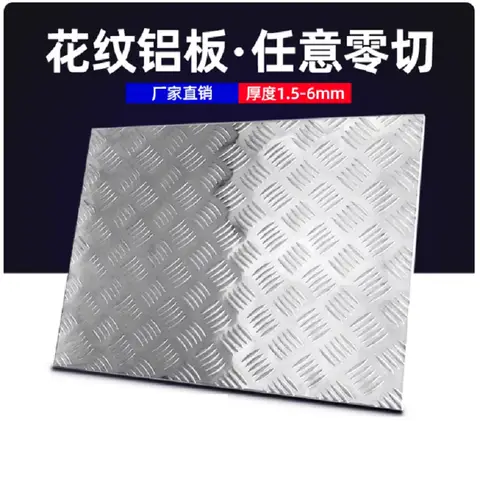
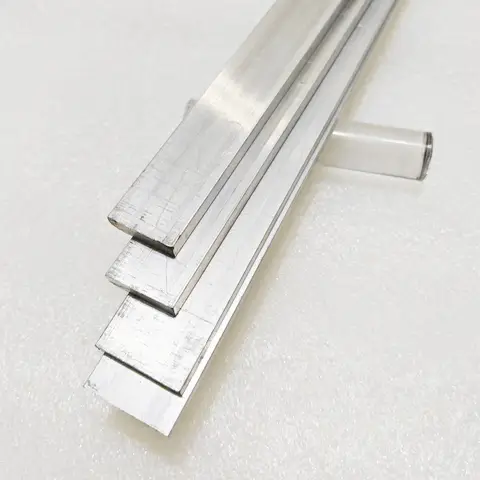
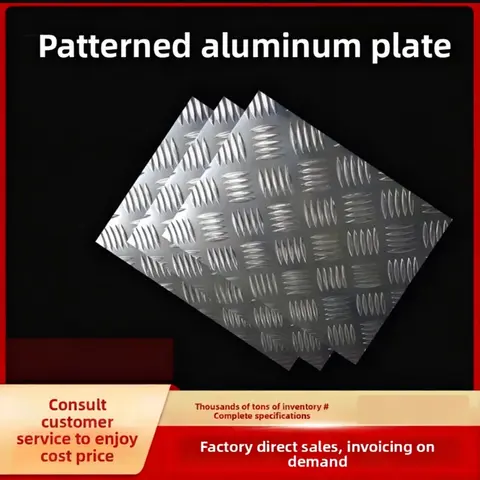
The best way to choose and use aluminium sheet is to understand its types, applications, and how to evaluate its quality. Whether you're a DIY enthusiast, a manufacturer, or a construction professional, selecting the right aluminium sheet can significantly impact your project's success. This guide provides a clear, step-by-step approach to help you make an informed decision, including comparisons of different aluminium sheet types and practical usage scenarios. When someone searches for aluminium sheet, the intent is typically to find a suitable product for a specific application. This could range from crafting and construction to industrial manufacturing. The search often implies a need for information on types, specifications, and where to buy. Understanding the aluminium sheet you need starts with identifying your project requirements and matching them with the right material. For example, if you're building a lightweight frame for a drone, you need a thin aluminium sheet that is both strong and light. Here’s how to approach the selection:
  1. Determine the application and load requirements – Will the sheet be structural or decorative? What kind of stress will it endure?
  2. Choose the right alloy – Common options include 5052 aluminium sheet, known for its corrosion resistance, and 1060 aluminium sheet, which is pure and easy to work with.
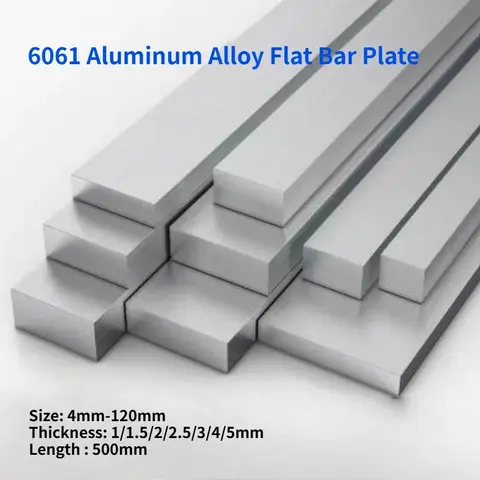
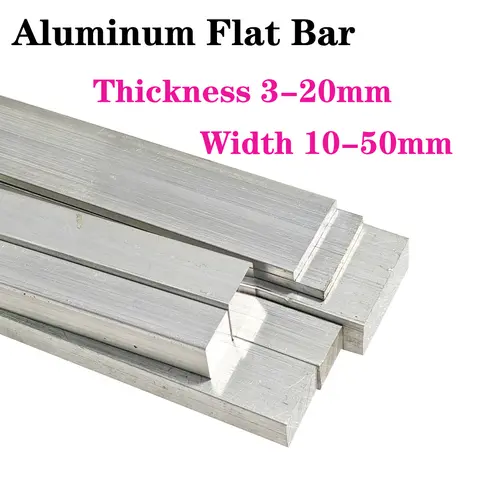
  3. Check the thickness and dimensions – Sheets are available in various thicknesses, such as 1/2 aluminium sheet or 10mm aluminium sheet, depending on the structural needs.
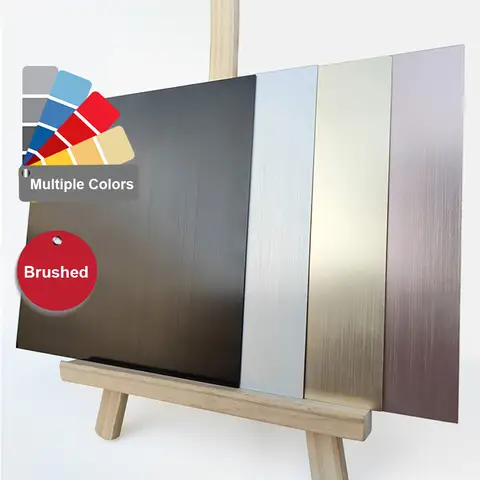
  4. Consider surface finish and coating – Some projects may require a polished or anodized finish for aesthetics or protection.
  5. Compare prices and quality – Look for suppliers that offer aluminium sheet and plate with clear specifications and certifications.
To help you compare different aluminium sheet options, here is a summary table:
Alloy Type Common Use Strength Corrosion Resistance Workability
5052 aluminium sheet Marine, automotive, and structural applications High Excellent Good
1060 aluminium sheet General fabrication, signage, and decorative uses Low to medium Good Very good
100 aluminium sheet Lightweight and non-critical structural uses Low Good Excellent
Aluminium sheet
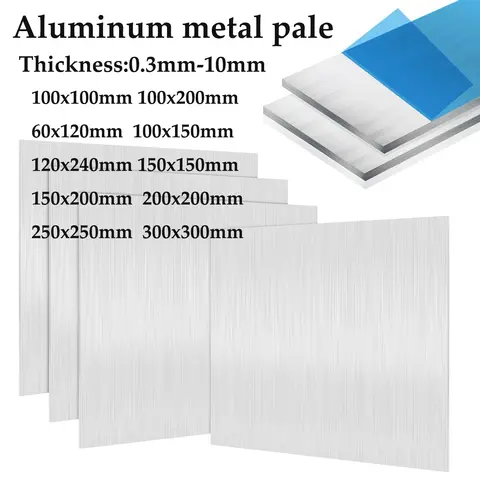
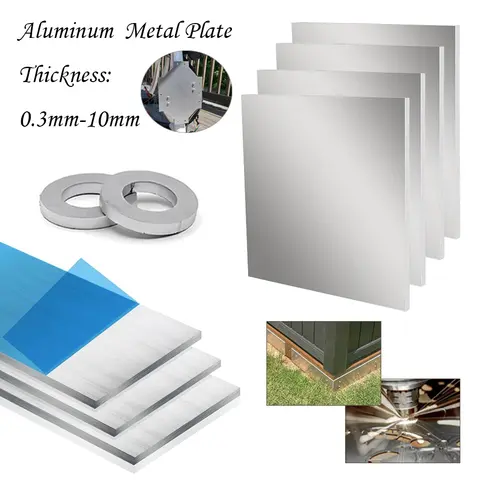
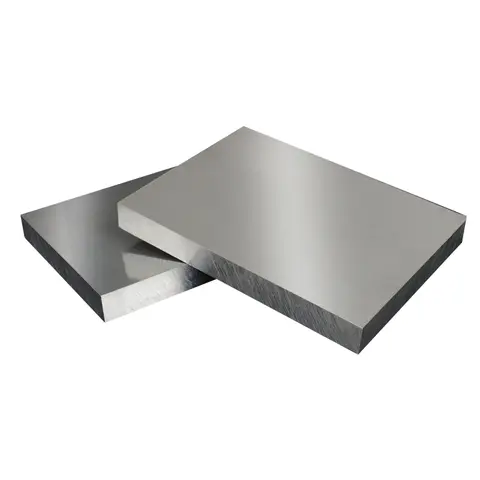
A flat metal product made from aluminium alloy, commonly used in construction, manufacturing, and DIY projects due to its lightweight and corrosion-resistant properties.
Aluminium sheet metal
A general term for thin, flat pieces of aluminium used in a variety of applications, including HVAC systems and automotive parts.
Aluminium alloy sheet
A type of aluminium sheet that includes other elements like magnesium or copper to enhance strength and durability.
Aluminium sheeting
A broad term that refers to any form of aluminium sheet, including aluminium metal sheet and aluminium thin sheet.
When purchasing aluminium sheet, it's important to consider the supplier's reputation and the product's specifications. For example, a user who recently built a custom enclosure for an electronics project found that using 5052 aluminium sheet provided the right balance of strength and ease of cutting. They also noted that aluminium sheet low cost options were not always the best value if they lacked durability or proper finish. In conclusion, selecting the right aluminium sheet involves understanding your project needs, comparing different aluminium sheet types, and choosing a product that meets both functional and budgetary requirements. Whether you're working with aluminium metal sheets, aluminium sheet 10mm, or aluminium alloy sheet, the key is to match the material to the task.

Everything You Need to Know About Aluminium Sheet: A Comprehensive Guide

What Are the Best Uses for an Aluminium Sheet in a Home Workshop?

If you're a DIY enthusiast or a small workshop owner, you might be wondering what the best uses are for an aluminium sheet in your home workshop. The answer is: Aluminium sheets are incredibly versatile and can be used for a wide range of projects, from custom enclosures to lightweight brackets and even decorative elements. Aluminium is a lightweight yet durable metal that is easy to cut, shape, and weld. It is also corrosion-resistant, making it ideal for both indoor and outdoor applications. In a home workshop, you can use it for building custom tool racks, mounting brackets, or even crafting custom enclosures for electronics.
Aluminium Sheet
A thin, flat piece of aluminium metal that is commonly used in construction, manufacturing, and DIY projects due to its strength-to-weight ratio and corrosion resistance.
Aluminium Alloy Sheet
A type of aluminium sheet that is made by combining pure aluminium with other elements such as magnesium or copper to enhance its strength and durability.
Here’s how you can use an aluminium sheet in your home workshop:
  1. Choose the right thickness and alloy. For most home projects, a 0.5mm to 2mm thickness is sufficient. If you're working on something that requires more strength, consider using a 5052 aluminium sheet or a 1060 aluminium sheet.
  2. Cut the sheet to size. Use tin snips or a metal shear for straight cuts. For curved cuts, a jigsaw with a metal blade works well.
  3. Shape and bend the sheet. Use a hand brake or a bench vise to create bends and angles. Be sure to wear protective gloves to avoid cuts.
  4. Finish and paint. Sand the edges and apply a primer and paint to protect the metal and give it a finished look.

How Do I Choose the Right Thickness and Alloy for My Project?

When working with aluminium sheet, one of the most common questions is: How do I choose the right thickness and alloy for my project? The answer is: It depends on the intended use, load-bearing requirements, and environmental conditions. Different alloys offer different properties. For example, a 100 aluminium sheet is soft and easy to work with, making it ideal for decorative or non-structural applications. A 5052 aluminium sheet, on the other hand, is stronger and more resistant to corrosion, making it suitable for outdoor or marine environments. Here’s a comparison of some common aluminium sheet types:
Alloy Type Thickness (mm) Strength Corrosion Resistance Best Use
100 Aluminium Sheet 0.5–2.0 Low Good Decorative panels, signage
5052 Aluminium Sheet 0.8–5.0 High Excellent Outdoor brackets, marine parts
1060 Aluminium Sheet 0.5–3.0 Moderate Good General-purpose sheet metal
Aluminium Sheet 10mm 10.0 Very High Excellent Structural components, heavy-duty applications
To choose the right sheet for your project:
  1. Assess the load and stress. If the sheet will support weight or be exposed to harsh conditions, go for a thicker and stronger alloy like 5052 or 6061.
  2. Consider the environment. If the sheet will be used outdoors or in a humid area, choose an alloy with high corrosion resistance.
  3. Check the tools you have. Thicker sheets may require more powerful tools for cutting and shaping.

What Are the Common Issues with Aluminium Sheet and How Can I Avoid Them?

Another common concern when working with aluminium sheet is: What are the common issues with aluminium sheet and how can I avoid them? The answer is: The most common issues include warping, cutting difficulties, and corrosion, but these can be avoided with the right techniques and materials. Aluminium is a soft metal, which means it can be prone to warping if not handled properly. It also reacts with certain types of paint and adhesives, which can lead to corrosion over time. Here are some common issues and how to avoid them:
Warping
Occurs when the sheet is heated unevenly or bent without proper support.
Corrosion
Can happen if the sheet is not properly sealed or if it comes into contact with incompatible materials.
Work Hardening
Occurs when the metal is bent or shaped too aggressively, making it brittle and prone to cracking.
To avoid these issues:
  1. Use the right tools. A metal shear or tin snips are best for cutting thin sheets. For thicker sheets, a plasma cutter or angle grinder may be necessary.
  2. Work in a controlled environment. Avoid working in direct sunlight or high heat, as this can cause the sheet to warp.
  3. Apply a protective coating. Use a primer and paint to protect the sheet from corrosion, especially if it will be used outdoors.
  4. Avoid over-bending. Use a hand brake to make gradual bends and avoid work hardening.

User Reviews: What People Say About Different Types of Aluminium Sheets

When it comes to aluminium sheet, user reviews can provide valuable insight into the performance and quality of different types. Based on real-world feedback, here are some common user experiences:
5052 Aluminium Sheet
Users praise its strength and corrosion resistance, especially for outdoor projects. It is often used for marine applications and outdoor brackets.
1060 Aluminium Sheet
Known for its ease of use and affordability, this sheet is popular among DIYers for general-purpose projects like custom enclosures and lightweight frames.
Aluminium Sheet 10mm
Users note that it is very strong and suitable for heavy-duty applications, but it requires more powerful tools for cutting and shaping.
Some users also mention that aluminium sheeting can be tricky to work with if you're not familiar with metalworking tools. However, with the right techniques and a bit of practice, it can be a rewarding material to use.

Other Related Products and Uses

In addition to aluminium sheet, there are several related products and terms that are worth exploring: - Aluminium sheet metal and aluminum metal sheets are often used interchangeably, but they refer to the same product. - Aluminium thin sheet is ideal for lightweight applications such as signage and decorative panels. - Aluminium sheet and plate refers to thicker sheets that are used in structural applications. - Aluminium sheeting is a general term for any type of flat aluminium product used in construction or manufacturing. - 1 2 aluminium sheet is a common size used in industrial applications. - Aluminum metal sheet is another term for the same product, often used in North American markets. If you're looking for a specific type of aluminium sheet, be sure to check the alloy, thickness, and intended use to ensure you get the right product for your project.

Aliexpress